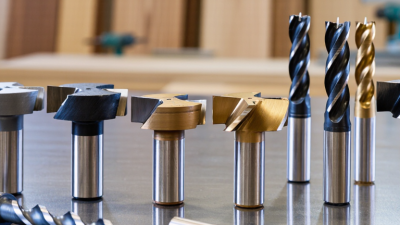
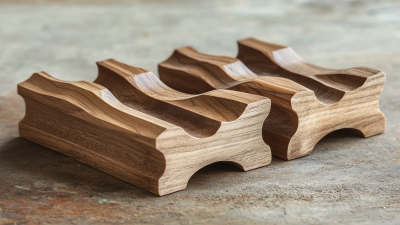
Choosing router bits from China can give buyers access to many profiles, materials, and price points. Yet a large catalog does not make every option suitable. The Best Router Bits are the ones that match the machine, workpiece, and finish you need—not simply the lowest-priced set. Small details matter. Check the bit’s shank diameter, cutting diameter, profile, and maximum operating speed against your router’s specifications. For clean edges on hardwood, carbide grade, cutting geometry, and balance can affect both finish quality and tool life.
Supplier research deserves equal attention. Ask for clear product drawings, material details, inspection methods, and consistent specifications across repeat orders. A polished product page is useful, but it is not proof of steady quality. Request a sample when possible, then inspect its dimensions and cutting edges before broader use. Test it on scrap material, using suitable feed rates and proper eye and hearing protection. Not always. A bit that performs well in one wood species may leave tear-out in another, so results need context. Consider packaging, replacement support, and communication as part of the purchase, too. These points may seem less exciting than cutting performance, but they can prevent avoidable delays. This guide explains how to compare Chinese router-bit suppliers, assess product claims, and choose options with evidence rather than assumptions. No checklist removes all uncertainty; careful testing remains worthwhile.
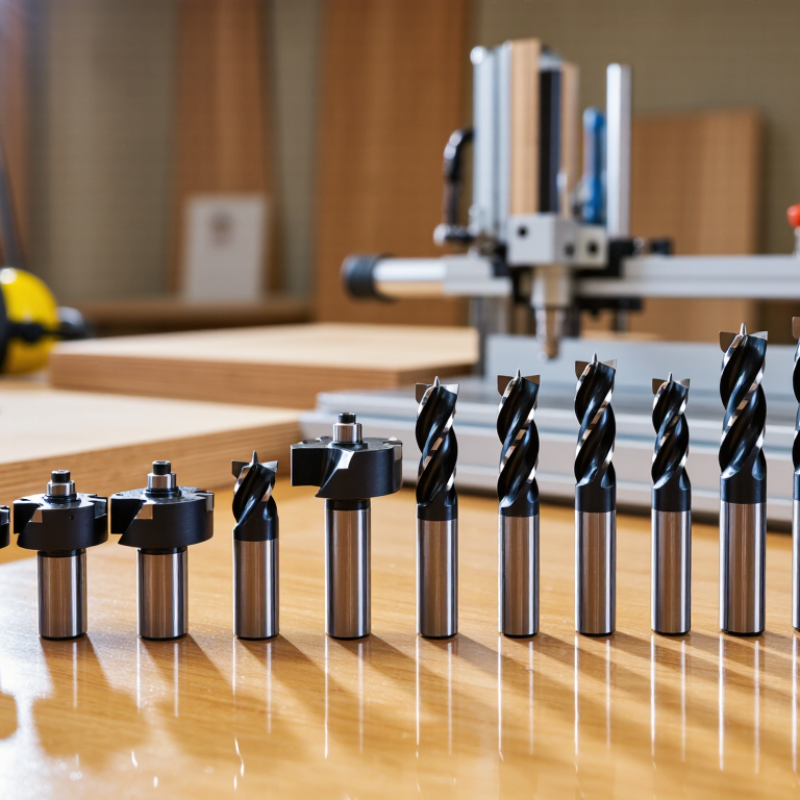
Router bits are designed for different cuts, so the profile should match the job and the material. A straight bit cuts grooves and dados; a flush-trim bit follows a template to size an edge. Up-cut spiral bits lift chips from a deep slot, while down-cut versions help leave a cleaner top face on veneered panels. For plywood, a compression spiral can reduce tear-out on both faces. Direction matters.
Edge-forming bits create visible details. Round-over bits soften a sharp corner; chamfer bits make a crisp bevel. Rabbeting bits cut a ledge for a back panel or joint. Choose a bearing-guided profile when the edge can guide the cut, and a template-guided setup when the shape must repeat. I would not assume one bit suits every timber: grain direction and feed rate can change the finish noticeably.
Dust control belongs in the selection process, too. The UK Health and Safety Executive’s wood-dust guidance lists eight-hour workplace exposure limits of 3 mg/m³ for hardwood dust and 5 mg/m³ for softwood dust. Those figures make extraction and cleanup practical concerns, not afterthoughts. Check the bit’s shank against the router collet, reduce feed on dense stock, and inspect the edge for burning. I still find test cuts useful; the stated profile alone does not predict every result. HSE, “Wood dust: Working with wood.”
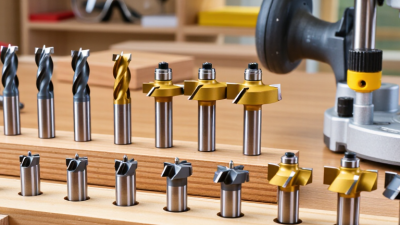
Start with the cut, not the catalog. A roundover for a cabinet edge needs a different profile from a deep groove or flush-trim pass. Note the cut depth, edge shape, finish quality, and expected production volume. For repeat work, even slight runout can leave visible ridges. Check a sample cut before ordering a larger batch.
Material changes the choice. Solid hardwood, plywood, MDF, and plastic differ in density, abrasiveness, and chip behavior. The USDA Forest Products Laboratory’s Wood Handbook (FPL-GTR-282, 2021) reports average green-to-oven-dry shrinkage of about 8% tangentially and 4% radially across wood species. That variation is a reminder: species and moisture matter. Match carbide grade and edge geometry to the stock, then confirm shank diameter, collet fit, and permitted speed against your machine manual. A bit that fits the project may not fit the spindle.
Tips: Send suppliers your material, cut profile, dimensions, machine model, and target RPM. Ask for a drawing and sample cut. Measure the sample; assumptions can be costly.
When comparing router bits from China, inspect geometry before finish or price. A spiral up-cut clears chips from deep grooves, while a down-cut spiral leaves a cleaner top edge. Straight-flute bits suit simple dadoes, but can leave more fuzz in cross-grain cuts. For laminated panels, a compression bit can protect both faces. Check the cutting length, shank diameter, and edge symmetry against your router and workpiece. Small mismatches matter.
Material choice depends on workload. High-speed steel can suit occasional cuts in softer stock, while carbide-tipped bits generally tolerate wear better in dense wood and abrasive panels. The USDA Forest Products Laboratory’s 2021 Wood Handbook reports equilibrium moisture content near 12% at 70°F and 65% relative humidity. That figure is a useful reminder: changing wood moisture can affect cut quality, even when the bit stays unchanged. Test on offcuts. I still wouldn’t judge a bit by its shine alone.
Coatings can reduce friction or help resist wear, but they cannot rescue poor geometry or a blunt edge. A polished, uncoated carbide edge may be preferable for clean woodworking; coated options may suit resin-heavy materials or longer production runs. Ask suppliers for carbide grade, runout tolerance, coating specification, and inspection records. Then compare sample cuts at the same feed rate. One weak point remains: supplier specifications are not independent test results, so verify them with your own samples.
Approximate Mohs hardness ranges for common router-bit cutting materials. Values vary by alloy, grade, and manufacturing process; hardness alone does not determine cutting performance or tool life.
Choosing a bit: High-speed steel (HSS) is generally suited to softer materials and lighter-duty work; carbide is widely used for woodworking because it retains its edge longer. Select geometry for the cut: upcut spirals clear chips upward, downcut spirals press fibers toward the workpiece, and compression spirals combine both effects for cleaner edges on sheet goods. Coatings such as TiN may reduce friction and wear in some applications, but their benefit depends on the coating, substrate, and cutting conditions.
Choosing router bits from China starts with examining the manufacturer’s production controls, not just its catalog. Ask how carbide grades are selected and how brazing, grinding, and final inspection are recorded. Request a sample and compare cutting edges under bright light; chips, uneven brazing, or inconsistent geometry deserve questions. Check whether the supplier can provide material records and batch inspection results. ISO 9001 certification can indicate a quality management system, but it does not prove every bit meets your requirements. That distinction matters.
Evaluate repeatability, too. Ask how runout and dimensions are measured, how often gauges are checked, and what happens when a batch fails inspection. A clear answer should include records or a test method, not only a promise. If possible, test samples in your own material and note finish quality, vibration, and edge wear under consistent conditions. A polished audit file can still miss a small process variation. I would not judge a factory from one perfect sample; request pieces from more than one batch. This takes extra time, but it can reveal whether the factory’s stated standards hold in routine production.
A low quote can hide costs in carbide grade, grinding accuracy, coating, or packaging. Compare identical drawings and specifications, not just unit prices. Ask whether the quote includes sample tooling, inspection records, and replacement terms. For router bits, confirm shank diameter, cutting diameter, flute geometry, and runout tolerance. Small details matter. Request a sample and test it on your own material; a clean cut in plywood may not predict performance in hardwood or composite panels.
Customization should be documented before production. Share a dimensioned drawing and state acceptable tolerances, edge profile, and quantity. Ask the supplier to confirm changes in writing, including any effect on lead time and cost. One point is easy to overlook: a custom bit may need a longer replacement cycle if the original drawing is unclear. Get it in writing. Keep a signed sample or inspection record for later comparisons.
Shipping and support deserve equal scrutiny. UNCTAD reported that global maritime trade grew 2.4% in 2023, after contracting 0.4% in 2022, showing how quickly shipping conditions can shift. The World Bank’s 2023 Logistics Performance Index assessed 139 economies across customs, infrastructure, shipment arrangements, tracking, and timeliness. Ask for a realistic dispatch window, tracking details, and a plan for delays. For after-sales service, agree on response times and what evidence is needed for a claim, such as photos, batch numbers, or test results. I would still allow a buffer; supplier estimates are not guarantees.
| Router Bit Type | Indicative Unit Price (USD) | Customization to Ask About | Typical Production Lead Time | Shipping Considerations | After-Sales Checks |
|---|---|---|---|---|---|
| Carbide-tipped bit For general woodworking and edge profiling |
About $2–$10 per piece, depending on size, cutter geometry, and order quantity | Cutting profile, shank diameter, overall length, bearing size, and packaging. Confirm whether the requested dimensions are available from existing tooling. | Approximately 10–25 days for standard items; custom specifications may take longer. | Small orders are often sent by express courier or air freight. Sea freight can reduce cost for larger shipments but takes longer. | Ask how chipped or incorrectly made items are documented and whether replacements or credits are available under the supplier’s written policy. |
| Solid-carbide bit For detailed work and harder materials |
About $8–$35 per piece; diameter, flute design, carbide grade, and coating affect price. | Flute count, cutting diameter, shank size, cutting length, coating, and tolerances. Request a drawing review before production. | Approximately 15–30 days for standard production; samples or new designs can add time. | Request packed dimensions and gross weight before comparing courier, air, and sea-freight quotes. | Check whether the supplier provides inspection records, guidance for reporting defects, and a stated response time for claims. |
| PCD (polycrystalline diamond) bit For long production runs and abrasive materials |
About $20–$150+ per piece; design complexity, PCD size, and brazing or assembly requirements can substantially change the quote. | Confirm the exact profile, substrate, PCD specification, working dimensions, and machine compatibility. Custom designs may require drawings and sample approval. | Often 20–40 days or more for made-to-order designs; confirm the schedule in writing. | Because unit value and packaging needs can be higher, confirm insurance, export packing, and delivery terms before ordering. | Clarify the inspection standard, claim evidence required, repair or replacement options, and who pays return freight if a defect is confirmed. |
| Custom-profile router bit Designed to a buyer’s drawing or sample |
Quote-based. Tooling or engineering charges may apply in addition to the unit price; ask whether these charges are refundable at a specified order quantity. | Provide a dimensioned drawing, material, shank size, tolerances, intended application, and sample requirements. Confirm ownership and storage of custom drawings or tooling. | Allow time for drawing confirmation, sample production, approval, and the production run; obtain separate dates for each stage. | Agree on the shipping method and delivery term in the quotation, and confirm who handles export clearance, duties, and import taxes. | Use an approved sample as the reference for inspection. Get written terms for nonconforming goods, response deadlines, and remedies. |
| Comparison note: Price ranges and lead times are indicative planning estimates, not verified supplier quotations or guaranteed market prices. Actual terms vary by specification, order quantity, production schedule, destination, and shipping method. Request a dated quotation, sample, written specifications, and documented after-sales terms before placing an order. | |||||