2026 Best Types of Router Bits for Global Buyers?

Choosing the right Router Bits in 2026 will require more than comparing prices or counting profiles. Global buyers must examine material compatibility, shank accuracy, coating quality, cutting geometry, and after-sales support. A bit that performs smoothly in American maple may burn quickly in dense European oak or engineered board. Small details matter. Even a 0.1-millimeter runout can leave visible chatter on a cabinet edge.

Professional market research supports this expanding demand. Grand View Research’s Woodworking Machinery Market report identifies automation, renovation, and furniture production as important growth drivers through the decade. MarketsandMarkets’ Power Tools Market analysis also highlights cordless equipment, compact workshops, and professional-grade accessories as continuing market influences. These reports do not measure every Router Bits category separately, which is an important limitation. Still, they reveal where purchasing pressure is moving. Buyers increasingly want repeatable cuts, longer service life, and safer operation.

Patrick Spielman, a respected woodworking author and router specialist, wrote, “The router is the most versatile power tool in the shop.” That principle still holds, but versatility depends on the bit. Straight, flush-trim, round-over, chamfer, spiral, and compression bits each solve different production problems. Carbide quality, brazing consistency, and balanced construction deserve close inspection. Certification claims should also be verified through supplier documentation, not marketing language. The following guide compares the best types of Router Bits for global buyers in 2026, while acknowledging one practical truth: no single bit performs perfectly in every material, machine, or workshop.
2026 Best Types of Router Bits for Global Buyers?

Router Bit Basics: Shapes, Cutting Profiles, and Core Functions

2026 Best Types of Router Bits for Global Buyers?

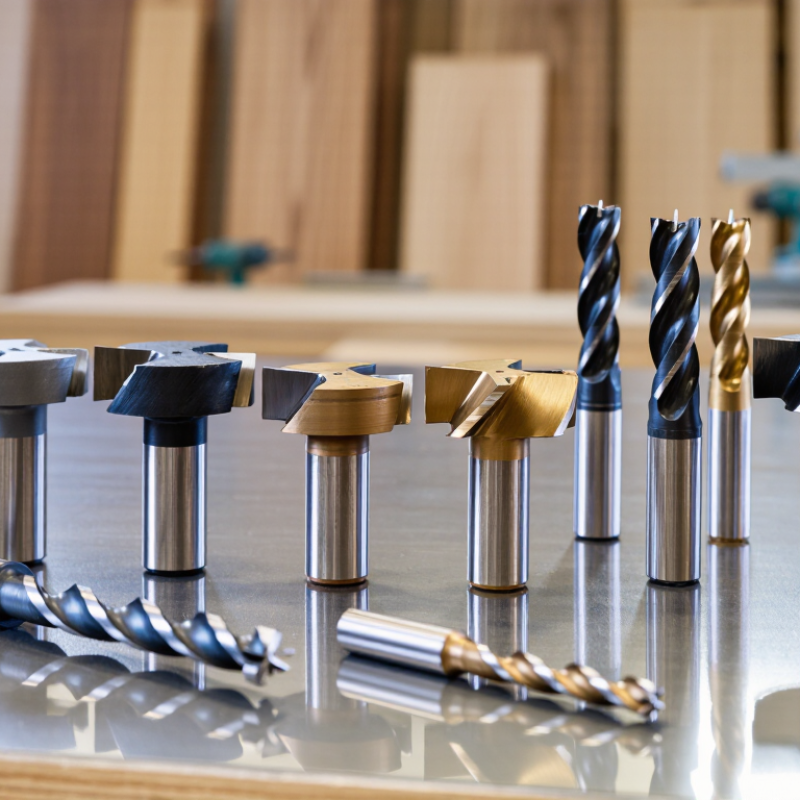
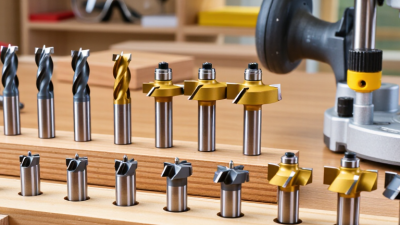
Router bits are cutting tools with a defined shape and purpose. Their geometry controls how wood, plastic, or approved composite materials are removed. A straight bit cuts slots, dados, and mortises with a flat base. A flush-trim bit follows a template and removes overhanging material cleanly. I have found that small diameter differences can change the cut noticeably.

The cutting profile creates the visible edge. Round-over bits soften sharp corners, while chamfer bits make angled edges. Cove bits form an inward curve, and V-groove bits produce narrow decorative channels. Rabbeting bits cut a shoulder along an edge for joints or back panels. These profiles are not interchangeable. A decorative bit may look suitable, yet its bearing position can produce an unexpected depth.

Core functions also depend on shank size, cutting length, and machine capacity. Buyers working across regions should confirm metric or imperial measurements before ordering. The bit must match the router collet securely, without forced fitting. Carbide cutters usually handle repeated work well, but they still need clean storage and careful inspection. A dull edge can burn timber and leave torn fibers. I once trusted a familiar profile too quickly; the result was usable, but not precise. Checking feed direction, workholding, and test cuts remains wiser than relying on appearance alone.
2026 Best Types of Router Bits for Global Buyers

Router Bit Basics: Shapes, Cutting Profiles, and Core Functions

This chart compares representative cutting-profile angles used for common router bit designs. Straight and rabbeting bits typically use a 90° profile, while V-groove and chamfer bits are commonly specified by 60° and 45° angles. Dovetail bits are available in several geometries, with 14° shown as a commonly used example. Actual specifications may vary by application and cutter design.

How to Match Router Bits with Woodworking Tasks and Materials

Choosing router bits by shape alone is a costly mistake. Match the bit to the task, wood density, and required edge quality. Straight bits suit grooves, dados, and mortises. Use a spiral bit when chip removal matters, especially in deep cuts or plywood. Upcut spirals lift chips efficiently, while downcut spirals leave a cleaner top surface.

For edge profiles, select round-over or chamfer bits after checking the material’s grain direction. Hard maple needs slower feed pressure than pine, because excessive heat can scorch the edge. Engineered panels also deserve caution. Their glue lines may dull cutters faster than solid wood. The U.S. Forest Products Laboratory’s Wood Handbook reports that indoor wood commonly reaches about 6–8% moisture content. Checking moisture before machining can reduce tear-out and dimensional surprises.

Small details matter. Keep the bit sharp. Make several shallow passes. A 3 mm final pass often feels safer than forcing one deep cut, though this is not universal. Industry tooling guidance commonly recommends balanced cutting conditions rather than maximum speed. A 2024 Grand View Research market analysis also identifies automation and precision processing as continuing growth drivers in woodworking machinery. That trend does not remove operator judgment. It may expose poor choices faster. I still see experienced users select a large profile bit for a fragile panel, then blame the material. Test on scrap first. The test piece may reveal grain reversal, vibration, or an unsuitable cutting direction before the finished panel does.

Key Router Bit Types for Edging, Joinery, Grooving, and Carving

Choosing the Best Router Bit Types for Global Buyers in 2026

Router bit selection starts with the cut, not the catalog photograph. For clean edging, use round-over, chamfer, or ogee profiles matched to the material. A sharp carbide cutter leaves a smoother edge and reduces sanding time. I prefer testing on scrap first. Grain direction can change the result dramatically.

Joinery demands control and repeatability. Straight bits suit dadoes and rabbets, while dovetail bits create strong interlocking joints. For box joints, a precise straight bit and a stable fence matter more than decorative features. Check the shank size, collet compatibility, and cutting diameter before purchase. Regional tool standards may differ.

Grooving work often uses straight or spiral bits. Spiral designs can clear chips efficiently, especially in deeper channels. Carving needs smaller cutters, such as V-groove and ball-nose bits, for lettering, relief work, and fine contours. Keep shallow passes. Deep cuts can burn wood and strain the router. I once trusted a bit’s advertised finish too quickly, and the surface still showed tear-out. That mistake reminded me to judge performance through samples, runout, edge sharpness, and actual project conditions. Safety glasses, dust control, and a secure workpiece remain essential for every buyer.

2026 Best Types of Router Bits for Global Buyers? - Key Router Bit Types for Edging, Joinery, Grooving, and Carving

Router Bit Type Primary Application Typical Cut or Profile Suitable Materials Common Shank Sizes Best Use Case Advantages Important Buying Considerations
Straight Bit Grooving, dado cutting, mortising, and trimming Straight-sided slots and flat-bottomed recesses Softwood, hardwood, plywood, MDF, and some plastics Commonly 6 mm, 8 mm, 1/4 in, and 1/2 in General-purpose routing and joinery preparation Simple geometry, broad availability, and easy depth adjustment Select the diameter and cutting length according to groove depth, router capacity, and material thickness.
Flush-Trim Bit Template routing and edge trimming Duplicates a template or reference edge using a bearing Solid wood, plywood, laminates, MDF, and composites Commonly 1/4 in and 1/2 in; metric equivalents are also widely used Countertop laminate, cabinet parts, signs, and duplicate components Produces consistent copies and reduces manual marking work Check bearing diameter, bearing location, cutting length, and template thickness.
Chamfer Bit Edge softening and decorative edging Angled bevel, commonly 45 degrees, with other angles available Hardwood, softwood, plywood, MDF, and plastic sheet Commonly 6 mm, 8 mm, 1/4 in, and 1/2 in Removing sharp edges, creating bevels, and preparing glue joints Fast edge finishing and predictable bevel geometry Verify the intended angle, cutting diameter, and whether a bearing is needed for the workpiece.
Round-Over Bit Rounded edge forming and comfort edging Concave quarter-round profile on an outside edge Solid wood, plywood edges, MDF, and suitable plastics Commonly 1/4 in and 1/2 in; smaller and larger radii are available Furniture edges, handrails, shelves, tabletops, and decorative panels Improves touch comfort and creates a clean finished profile Match the radius to the material thickness and use multiple shallow passes on dense stock.
Cove Bit Decorative edge and panel detailing Concave rounded groove or inside-radius profile Softwood, hardwood, MDF, and paint-grade board Commonly 1/4 in, 1/2 in, and 1/2 in shank formats Decorative moldings, cabinet doors, shelves, and architectural trim Creates repeatable ornamental details with a smooth curved transition Choose a radius that suits the stock thickness; test on scrap before production.
Rabbet Bit Joinery and recessed edge cutting L-shaped shoulder along the edge of a board Solid wood, plywood, MDF, and joinery-grade sheet materials Commonly 1/4 in and 1/2 in; bearing sets can provide different depths Cabinet backs, frame construction, rebates, and glass-panel work Efficient edge joinery and consistent shoulder dimensions Confirm rabbet width, depth, bearing size, and compatibility with the workpiece thickness.
Dovetail Bit Mechanical joinery and sliding joints Trapezoidal socket or tapered groove Hardwood, softwood, plywood, and MDF with suitable setup Commonly 1/4 in and 1/2 in; metric sizes are also used Drawer boxes, through dovetails, half-blind dovetails, and sliding dovetails Creates strong interlocking joints without relying only on fasteners Bit angle, diameter, cutting length, and jig compatibility must match the joint design.
V-Groove Bit Lettering, sign making, panel lines, and decoration V-shaped channels with narrow or wide included angles Softwood, hardwood, MDF, plywood, and some non-ferrous plastics Commonly 1/4 in and 1/2 in; metric shanks are widely available CNC-style lettering, decorative grooves, and marking operations Produces crisp lines and variable-width cuts when depth changes Select the included angle and tip geometry according to lettering size and desired line width.
Core Box Bit Rounded-bottom grooves and decorative channels Semicircular or U-shaped groove Solid wood, MDF, plywood, and selected plastics Commonly 1/4 in and 1/2 in Fluting, decorative panel work, tray channels, and sign details Leaves a smooth curved-bottom channel that differs from a straight bit groove Check radius, cutting depth, and chip-clearance requirements for the selected material.
Panel-Piloted Bit Door-panel shaping and raised-panel work Decorative profile combined with a guiding bearing or pilot Hardwood and laminated wood panels suitable for router-table use Most commonly 1/2 in for larger cutters Cabinet doors, furniture panels, and architectural joinery Forms a complete decorative panel edge in fewer setup stages Use a stable router table, confirm cutter diameter, and follow the tool maker’s maximum speed guidance.
Carving / Engraving Bit Fine detail, engraving, lettering, and relief carving Fine V-cuts, tapered grooves, or small-radius details Wood, MDF, plywood, plastic, and selected soft non-ferrous materials Commonly 3 mm, 6 mm, 1/8 in, and 1/4 in CNC routing, sign production, craft panels, and small decorative details Supports detailed work and narrow toolpaths with appropriate machine control Evaluate tip strength, runout, cutting length, machine collet size, and required feed settings.
Global buyer checklist: Confirm metric or inch shank compatibility, cutter material such as carbide or high-speed steel, bearing availability, maximum permitted speed, cutting length, packaging protection, and applicable safety or conformity documentation before purchase.

Choosing Router Bits by Shank Size, Coating, and Machine Compatibility

For global buyers, router-bit selection begins with the shank. Measure the collet before ordering. Common sizes include 6 mm, 8 mm, and 1/2 inch, but they are not interchangeable. Use the exact size specified by the machine manual. A loose fit can create vibration, poor cuts, and serious safety risks. Metric and imperial standards deserve separate storage.

Coating choice depends on the material and production volume. Uncoated carbide bits can perform well on clean, softwood projects. A wear-resistant coating may better suit abrasive plywood, laminates, or repeated commercial work. Coatings do not repair a dull cutting edge. They only support longer service under suitable conditions. I have found that cheaper-looking options sometimes cut smoothly, but their edge life can vary more than expected. That uncertainty deserves testing.

Machine compatibility involves more than shank diameter. Check the router’s speed range, power, collet depth, and maximum bit diameter. A large panel-raising bit may require a stable table router, not a compact handheld model. Confirm the bit’s rated operating speed before use. Test every new bit on scrap material first. I once assumed a bit would fit because its shank matched the collet. That shortcut was wrong. The profile interfered with the dust guard, forcing a slower setup and a different cutting direction. Inspect runout, noise, and surface quality during the first pass.

Global Buying Factors: Quality Standards, Safety, Pricing, and Availability

Choosing the best router bit depends on the material, machine, and buying conditions in each market. Carbide-tipped bits suit general woodworking and offer a practical balance of cost and durability. Solid carbide bits usually provide cleaner cuts and longer service life, but their higher price needs careful calculation. Compression bits can reduce chipping on laminated boards, while straight and roundover bits cover common workshop tasks.

Quality should be checked through material specifications, shank accuracy, cutting-edge consistency, and documented inspection procedures. Reliable suppliers should provide clear tolerances, batch information, and suitable packaging for international transport. Safety matters equally. A bit must fit the collet correctly, match the machine’s speed range, and be inspected for cracks or imbalance before use. Small defects can create large problems. Local safety requirements may differ, so buyers should verify applicable standards before ordering.

Tips: Request a sample or inspection report before placing a large order. Compare total landed cost, not only the unit price. Include shipping, duties, replacement rates, and possible delays. Availability can change quickly when production capacity or transport routes shift. Keep a second source for frequently used profiles. That sounds cautious, perhaps overly cautious, but missed deadlines cost more than expected. I would also question unusually cheap offers, especially when coating details, test records, or delivery dates remain vague. Reliable purchasing is not always the fastest or cheapest choice.