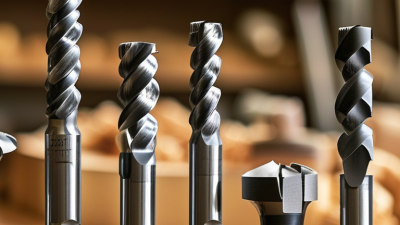
Choosing a China-based Dovetail Router Bit manufacturer takes more than comparing prices or product photos. The right supplier should explain how each bit is made, what materials it uses, and which router setups it suits. For a woodworker, small details matter: a cleanly ground cutting edge, consistent shank dimensions, and a profile that matches the intended joint. These features can affect fit, finish, and tool performance. Ask for clear specifications, including cutting diameter, shank size, and compatible materials. Details matter.
A reliable evaluation also looks at quality checks, sample availability, packaging, and response times. Request a sample before placing a large order, then test it on the wood and equipment you actually use. Check the joint for gaps, rough edges, and repeatable fit. A polished catalogue is useful, but it cannot replace a practical trial. It is also worth asking how the manufacturer handles custom profiles, production changes, and product concerns. No supplier is automatically the best for every buyer. A small workshop may value flexible order quantities, while a distributor may need steady capacity and consistent specifications. The comparison takes time. This guide explores what to verify when assessing manufacturers in China, so buyers can make a better-informed choice rather than relying on broad claims or a low quote alone. Even a careful checklist has limits; machining results also depend on setup, feed rate, and operator skill.
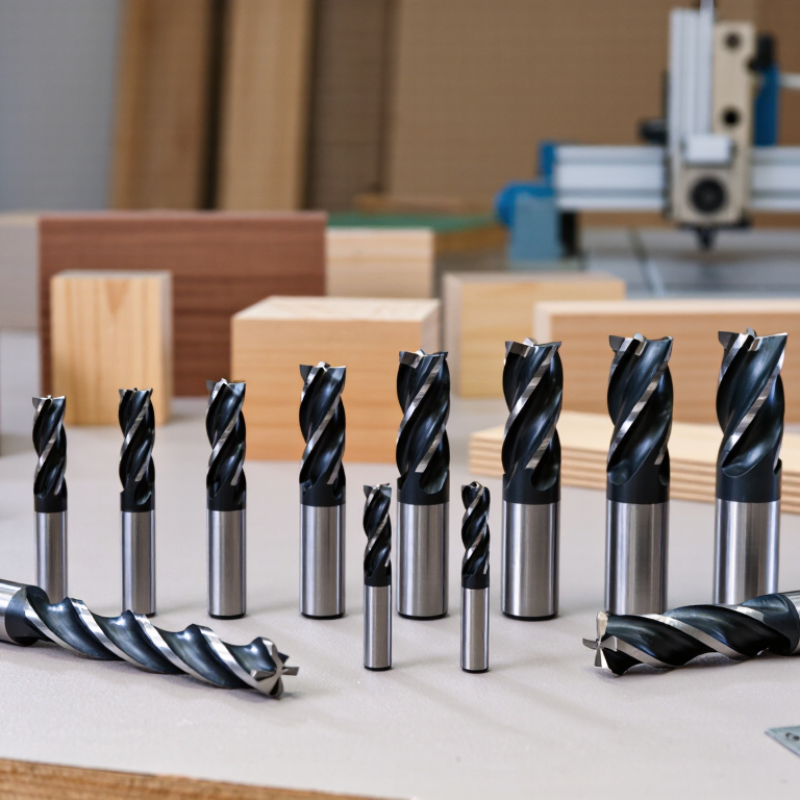
China’s dovetail router bit industry sits within a broad manufacturing ecosystem spanning carbide processing, precision grinding, heat treatment, and tool inspection. The World Bank’s World Development Indicators report manufacturing value added at about 26% of China’s GDP in 2023. This figure describes the wider industrial base, not dovetail-bit production specifically. UN Comtrade classifies many interchangeable tools under HS 8207, so trade totals cannot reliably isolate dovetail bits. The data has limits.
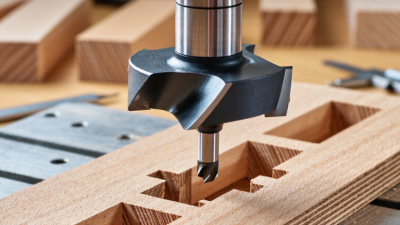
Production quality depends on more than the cutter’s nominal angle. A small difference in grind symmetry can leave mismatched shoulders on a drawer joint. Runout, shank concentricity, carbide grade, and edge finish also affect cut quality and service life. Small tolerances matter. Manufacturers commonly use CNC grinding and dimensional checks, but inspection methods and acceptance standards may differ between factories.
For buyers comparing Chinese suppliers, request drawings, material specifications, and inspection records for the exact bit model. Test samples in the intended wood and router setup; dense hardwood can reveal heat and chipping problems faster than softwood. Yet a clean sample does not guarantee every production batch will match. This is where the industry still invites scrutiny: published national statistics rarely separate dovetail bits from broader cutting-tool categories, making factory-level verification especially important.
An industry overview of common product specifications and manufacturing practices. Dimensions and capabilities are indicative; actual specifications vary by design, tooling system, and manufacturer.
| Category | Typical Industry Details | What Buyers Should Check |
|---|---|---|
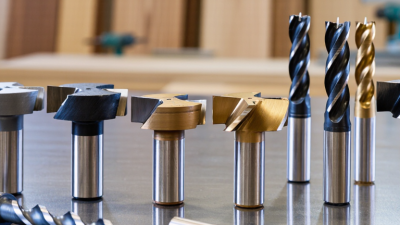
| Common bit construction | Many dovetail bits use a hardened steel body with a brazed carbide cutting tip; solid-carbide versions are also available for selected applications. | Confirm the cutter material, brazing quality, intended work material, and whether the bit is suitable for the planned cutting speed. |
| Typical shank diameters | Common metric sizes include 6 mm, 8 mm, and 12 mm; 6.35 mm (1/4 in) and 12.7 mm (1/2 in) are also widely used in compatible markets. | Match the shank to the router collet. Do not use a bit with a shank diameter that does not match the collet. |
| Dovetail angles | Common product offerings include angles around 7°, 8°, 14°, and 15°, although the available range depends on the cutter design. | Choose the angle to suit the joint design, stock thickness, and mating components; verify the stated angle and cutting diameter. |
| Cutting diameters | Small- and medium-diameter cutters are used for compact joinery, while larger cutters may be offered for wider joints and specific jig systems. | Check the maximum cutting diameter and cutting depth against the router, jig, workpiece, and safe operating limits. |
| Manufacturing operations | Production commonly involves steel-body preparation, carbide-tip brazing where applicable, profile grinding, edge finishing, inspection, and packaging. | Ask how cutting profiles are ground and how the manufacturer controls dimensions, balance, and tip attachment. |
| Edge geometry and finish | Cutting edges are ground to form the dovetail profile. Edge sharpness and consistency affect cutting quality, tool life, and the fit of the joint. | Request dimensional drawings or sample inspection results, particularly for angle, cutting diameter, and usable cutting length. |
| Coatings and surface treatments | Some products have coated or treated surfaces, while others use an uncoated finish. A coating does not replace correct material selection or cutting practice. | Confirm the coating type and its intended benefit; check whether it is applied to cutting surfaces and is compatible with the application. |
| Quality checks | Relevant checks may include dimensional inspection, visual examination of carbide tips and brazed joints, and verification of shank condition. | Clarify inspection methods, sampling frequency, tolerances, and how nonconforming products are handled. |
| Packaging and traceability | Router bits are commonly supplied in protective individual packaging to reduce damage to the cutting edges during storage and transport. | Check that packaging protects the edge and that product specifications and batch information can be identified. |
| Application and safety | Dovetail bits are used for angled joinery in wood and wood-based materials. Suitable feed rate and cutter speed depend on bit size, material, and router setup. | Follow the tool maker's operating instructions, secure the workpiece, use appropriate guarding, and inspect the bit before use. |