Why Choose Bird Control Spikes for Global Buyers?
For global buyers, choosing Bird Control Spikes is rarely a simple price decision. It involves building design, bird behavior, weather exposure, and installation quality. A suitable system can protect ledges, signs, solar panels, and warehouse roofs without harming birds. The goal is deterrence, not injury. That distinction matters.
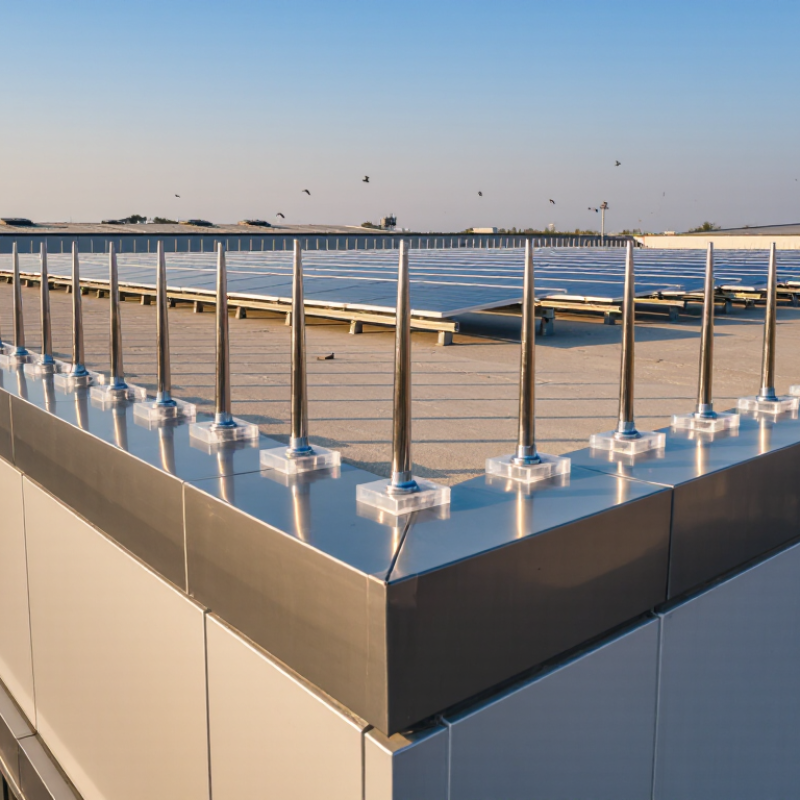
Experienced buyers often inspect spike spacing, base flexibility, adhesive performance, and resistance to ultraviolet light. Stainless steel components suit coastal areas because salt air can damage weaker metals. Durable polycarbonate bases may perform well on curved surfaces. However, no material works perfectly everywhere. A product tested in a dry climate may behave differently under tropical rain or winter frost. That detail is easy to overlook.
Reliable suppliers should provide material specifications, installation guidance, cleaning instructions, and batch quality information. They should also explain where spikes are unsuitable, such as surfaces with heavy nesting activity or unstable structures. Professional installers normally inspect the ledge first. Dust, grease, loose coatings, and standing water can reduce adhesion. Small gaps may also create landing points. These are practical failures, not always product defects.
Global buyers may compare warranty terms, packaging strength, replacement parts, and communication speed. Clear documentation supports consistent purchasing across different markets. Local building requirements and wildlife protection rules still need review before installation. Bird Control Spikes can offer a practical, low-maintenance solution, but only when product selection matches the site. That sounds obvious. It is often missed. Careful evaluation creates better results than choosing the cheapest option.
What Bird Control Spikes Are and How They Work
Bird control spikes are rows of blunt, closely spaced points fixed to ledges, signs, pipes, and roof edges. They do not trap birds. Instead, they remove the flat landing space birds need for perching or nesting. A correctly selected strip follows the surface shape and covers the full landing zone. Small gaps can become convenient footholds.
Their operation is simple but not careless. A bird approaches, feels the uneven barrier, and usually chooses a safer nearby location. The spikes should be installed on clean, dry surfaces, with suitable spacing and weather-resistant fasteners. Poor placement may leave corners exposed. It can also create maintenance problems when leaves collect underneath. They are not magic.
The need for practical bird deterrence is clear. The FAA’s 2023 Wildlife Strike Database recorded 19,367 reported wildlife strikes involving U.S. civil aircraft, with birds accounting for most incidents. This figure concerns aviation, not buildings, but it shows how frequent bird activity can become a costly operational issue. The National Pest Management Association also identifies bird droppings, nesting material, and structural contamination as recurring commercial pest concerns. However, no spike system works equally well everywhere. Buyers should assess bird species, ledge width, wind exposure, cleaning access, and local animal-welfare requirements. Field inspections matter more than catalogue photographs.
Why Choose Bird Control Spikes for Global Buyers?
Bird control spikes are passive physical deterrents installed on ledges, roofs, signs, pipes, and other landing surfaces. Their angled points reduce the usable landing area without trapping or harming birds, making them suitable for long-term, low-maintenance surface protection.
The chart shows common dimensional ranges used when planning spike installations: modular strip lengths are commonly supplied in 25–100 cm sections, base widths generally increase for wider ledges, and spike heights are selected according to the target landing surface and bird size. Actual specifications vary by site conditions, so coverage should be confirmed during installation.
Key Types and Materials of Bird Control Spikes
Bird control spikes are not one universal product. Global buyers should match the spike type to bird size, ledge width, and surface condition. Single-row spikes suit narrow window sills and signs. Double-row designs cover wider parapets and reduce landing gaps. Multi-row systems offer stronger coverage where pigeons repeatedly return. However, more rows do not always mean better performance. Poor spacing can leave small birds a usable foothold.
Material selection matters in real conditions. Stainless steel provides strong resistance against rain, salt air, and ultraviolet exposure. It fits coastal buildings and long-term exterior use. Polycarbonate bases are lighter and easier to cut around corners, but low-grade plastic may become brittle in intense sunlight. UV-stabilized material is safer for hot climates.
A practical installation should also consider adhesive compatibility, drainage, dust, and thermal movement. One weak assumption is that spikes alone solve every bird problem. They may fail when food, nesting gaps, or nearby trees remain available.
The FAA’s 2023 Wildlife Strike Database recorded more than 19,000 reported wildlife strikes involving U.S. civil aircraft, with birds representing most events. This safety data shows why exclusion deserves careful planning near transport facilities. BirdLife International’s State of the World’s Birds 2022 report also found that 49% of bird species are declining globally. Effective systems should deter landing without causing injury. I would inspect the ledge after installation, especially after heavy rain or seasonal migration. Small gaps matter. Performance should be measured, not assumed.
How to Select Spikes for Different Building Surfaces
Why Choose Bird Control Spikes for Global Buyers?
Selecting bird control spikes starts with the building surface, not the product appearance. Concrete ledges usually accept mechanical fasteners well. Brick may need careful drilling to avoid cracked edges. Metal surfaces often require compatible screws, rivets, or a strong outdoor adhesive. Each option has limits.
For tile, glass, and coated panels, check the surface condition before installation. Dust, moisture, and loose coatings can reduce adhesion quickly. On waterproof membranes, drilling may cause serious damage, so a non-penetrating method deserves consideration. Stainless steel is often suitable for humid or coastal locations, while UV-resistant plastic can reduce weight and cost. However, cheap materials may become brittle under intense sunlight. Local weather, cleaning routines, and access for maintenance also affect the correct choice.
Tips: Clean and dry the surface completely. Test a small area first. Measure the ledge width before ordering. Use enough spike coverage to prevent landing gaps, especially near corners. Follow the fastener supplier’s installation guidance and check local building requirements. I have seen neat installations fail because water collected beneath the base. That detail is easy to miss. A practical review after heavy rain can reveal loose sections, blocked drainage, or unexpected surface movement.
