A Steering Wheel Lock Bar is a visible physical barrier fitted across the steering wheel. Its steel body spans the rim, while hooked ends grip the wheel or dashboard area. When locked, it limits how far the wheel can turn. Picture a bright red bar across the cabin: it is hard to miss, even through a side window. That visibility is part of its purpose. It may discourage opportunistic theft and make a vehicle appear less convenient to target, but it cannot guarantee protection.
Automotive cybersecurity researcher Dr. Ken Tindell is a relevant expert on vehicle security, but no verified statement from him about steering-wheel lock bars is available here. To avoid inventing a quotation, consider this an editorial takeaway, not his words: “A visible lock can add friction, but no single device replaces layered security.” That distinction matters. A bar is a mechanical deterrent; it does not secure every entry point or prevent every method of attack.
Fit matters. A poorly adjusted bar can feel loose, while a correctly fitted one should resist ordinary steering movement. Check the product instructions, lock engagement, and wheel compatibility before relying on it. Small details count. A scratched steering-wheel rim or a key that sticks deserves attention, not a shrug. The honest limit is simple: a Steering Wheel Lock Bar can make theft less convenient, yet it is only one part of a practical security routine. A little caution helps.
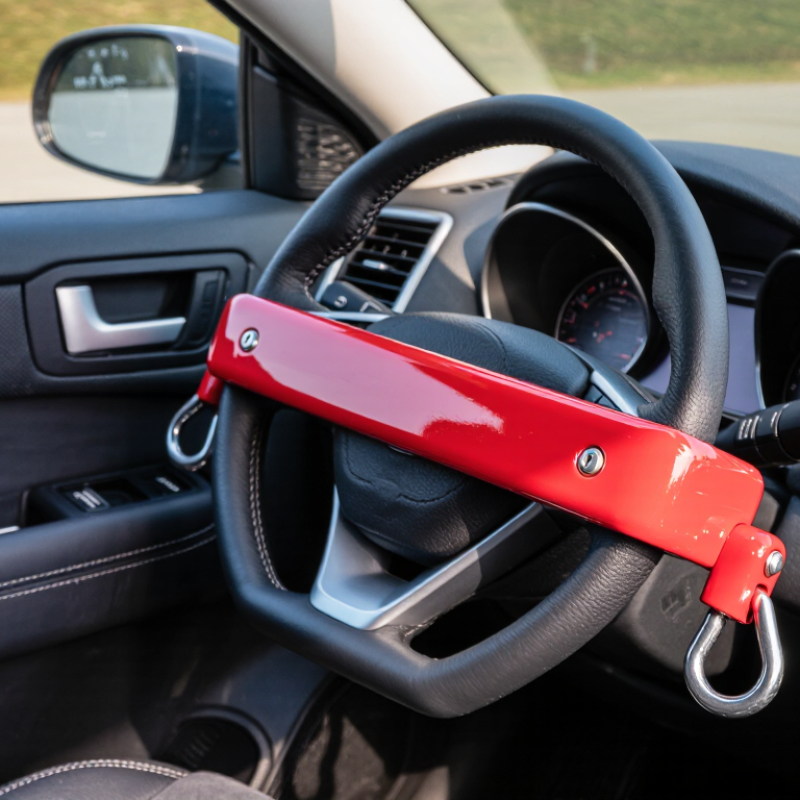
A steering wheel lock bar is a removable security device that spans part of a vehicle’s steering wheel. Its metal body usually includes an adjustable section and a locking head. Once fitted, the bar rests across the wheel, often extending toward the dashboard or a side window. This makes the wheel harder to turn through a full steering range. It also makes the device visible from outside the vehicle. That visibility can discourage casual tampering, though it does not guarantee protection.
The bar is secured by placing its ends around the wheel rim and engaging the lock. A key or another supplied release mechanism allows the owner to remove it. Fit matters: the bar should sit firmly without slipping, and it should not obstruct the driver’s view when installed. Check that it is compatible with the wheel’s size and shape. Not every design fits every vehicle. A steering wheel lock bar is a physical barrier, not a substitute for careful parking or the vehicle’s built-in security features. Its usefulness can also vary with the quality of the device and how it is fitted. That part is easy to overlook.
A steering wheel lock bar usually has a hardened metal shaft, two gripping hooks, and a keyed locking unit. Some models telescope, allowing the bar to fit different steering wheel widths. Protective sleeves at the hooks help reduce scratches and improve grip. Small parts matter: a loose hook can let the bar shift during use.
The locking mechanism is simple. Place the hooks around the wheel rim, adjust the bar, then turn the key to secure its sliding section. A locking pin or internal pawl holds the chosen length. When the bar is locked, its extended end may rest near the dashboard or windshield, restricting how far the wheel can turn.
A firm fit matters. Keep the device clear of the horn and airbag cover, and check the maker’s instructions for your vehicle. In practice, installation can feel awkward in a tight cabin; test the fit while parked, without forcing the bar.
It is a visible deterrent, not a guarantee against theft, and it does not replace careful parking habits.
Park on level ground, switch off the engine, and straighten the front wheels. Check the lock’s instructions before fitting it; bar designs vary. Open the locking jaws, place them around the steering-wheel rim, and extend the bar across the wheel. Adjust it until the hooks sit firmly without pressing against the dashboard, windshield, or delicate trim. Keep it snug. Then turn the key or set the combination, and give the bar a gentle tug to confirm it cannot slide free. A loose fit is easy to miss when you are in a hurry.
Make the lock visible from outside, but do not treat it as a guarantee.
The National Insurance Crime Bureau reported 1,020,729 U.S. vehicle thefts in 2023 in its annual vehicle-theft data. That figure describes the scale of theft, not the effectiveness of any single device.
Check that the bar does not block the driver’s view or interfere with safe entry and exit. Remove it before driving, and store the key separately from the vehicle. I have seen people focus on the lock and forget the fit; that small check matters.
A steering-wheel lock bar is a visible mechanical restraint, but its shape and contact points vary. A straight telescoping bar usually hooks onto opposite sides of the wheel rim. Some models use twin hooks for a firmer hold, while others extend from the wheel to the dashboard or windscreen. Full-wheel covers take a different approach: they shield much of the rim instead of spanning it.
Fit matters. A bar that is too short may sit awkwardly; one that is too loose can shift. Check the adjustment range, locking mechanism, and whether padded contact points protect the wheel’s finish.
Design also affects everyday use. A compact bar is easier to store, while a longer one can be more conspicuous across the cabin.
The National Insurance Crime Bureau’s 2023 vehicle-theft report recorded 1,020,729 stolen vehicles in the United States. That figure describes theft levels, not how much any steering lock prevents theft.
A bar can add a visible obstacle, but it is not a guarantee. Not foolproof. I’d pay attention to ease of fitting, too: a device that feels fiddly may be used less consistently.
The trade-off is real.
What Is a Steering Wheel Lock Bar and How Does It Work?
A steering wheel lock bar is a removable device that attaches across the steering wheel. When locked, it restricts how far the wheel can turn. Its visible presence may discourage opportunistic theft, and it can add a physical obstacle. A bright bar is easy to notice through a car window. That visibility is part of its value.
The protection has limits. A lock bar does not make a vehicle theft-proof, and a determined thief may still defeat it. Fit matters: a loose or poorly positioned bar may offer less resistance. It can also take time to install and remove, especially in cold weather or a cramped parking space. That inconvenience is real. The reassurance it provides can be helpful, but it is easy to overestimate what one device can do. It works best as one layer alongside sensible parking and the vehicle’s existing security features.
Tips: Check that the bar fits your steering wheel and follow its instructions. Lock it only when the vehicle is parked, and store the key where you can find it. Before driving, remove the bar fully and confirm the wheel moves freely.
| Aspect | How It Works | Security Benefit | Practical Limitation |
|---|---|---|---|
| Basic design | A rigid or telescoping bar attaches across the steering wheel, usually with a locking mechanism at one end. | Creates a visible physical obstacle and makes steering the vehicle more difficult if the wheel is turned. | Fit and effectiveness depend on the bar’s design, the steering-wheel shape, and correct installation. |
| Locking action | Once secured, the bar limits steering-wheel rotation or extends to obstruct the driver’s position. | May add time and effort for an unauthorized person and can encourage them to choose an easier target. | It is a deterrent, not an impenetrable barrier; a determined thief may use tools or attack other parts of the vehicle. |
| Visibility | The bar is generally visible through the vehicle’s windows when fitted. | A conspicuous device can signal that the vehicle has an added layer of protection. | Visibility does not guarantee prevention, and the device offers little protection if it is not fitted. |
| Installation | The user places the bar on the steering wheel and engages its lock according to the product instructions. | Provides a simple, independent measure that does not rely on the vehicle’s electrical system. | Incorrect placement or incomplete locking can reduce its effectiveness. Check that it is secure before leaving. |
| Everyday use | It must be removed before driving and stored in the vehicle when not in use. | Can be used alongside built-in alarms, immobilizers, and sensible parking practices. | Repeated fitting and removal takes time; a loose bar can move around inside the cabin while driving. |
| Vehicle compatibility | Bars are made in different lengths and configurations to suit different steering wheels. | A properly matched device can be straightforward to fit and remove. | Some wheel shapes, covers, or interior layouts may make a particular bar difficult to install securely. |
| Overall protection | Acts as a physical steering restraint rather than a complete vehicle-security system. | Best used as one layer in a broader security plan. | Does not prevent every method of theft, protect belongings, or guarantee that a vehicle will not be stolen. |
Practical takeaway: Choose a compatible bar, follow its fitting instructions, and combine it with other appropriate security measures. No steering-wheel lock can guarantee theft prevention.