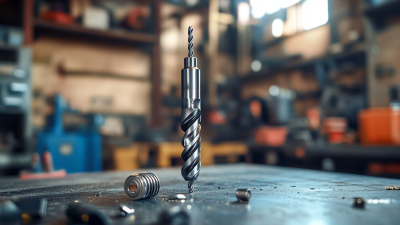
A Reamer Drill Bit enlarges an existing pilot hole while maintaining a controlled diameter. It is common in mining, construction, geothermal, and oilfield drilling. The tool usually follows a pilot bit. Its cutters then contact the borehole wall, removing rock in a wider circular path.
The mechanism sounds simple. It is not. Cutter angle, formation hardness, rotation speed, weight-on-bit, and flushing pressure all influence performance. A poorly matched reamer can produce vibration, oversized holes, or premature cutter wear. Baker Hughes’ international rig-count reports show how drilling activity changes across regions and cycles. Those fluctuations increase pressure on contractors to reduce nonproductive time. The International Energy Agency’s World Energy Investment 2024 report estimated upstream oil and gas investment near 570 billion dollars. That investment highlights the continuing need for dependable downhole tools and measurable drilling efficiency.
Adam T. Bourgoyne Jr., a leading drilling-engineering author, wrote, “The objective of drilling is to make a hole of the desired size and direction.” His principle explains the Reamer Drill Bit clearly. Enlargement is useful only when the final hole remains stable and accurately placed. Field experience can still be messy. Real formations rarely behave like laboratory samples. Operators must inspect cutters, monitor torque, and adjust parameters during the run. A reamer is not a shortcut. It is a precision component in a larger drilling system. This guide examines its structure, working process, applications, limitations, and selection criteria. That practical view matters. Small design choices can change the entire borehole.
What Is a Reamer Drill Bit and How Does It Work?
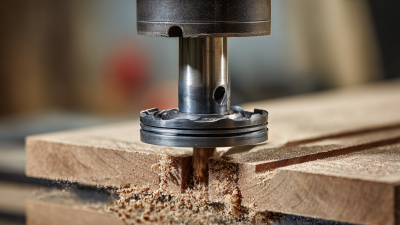
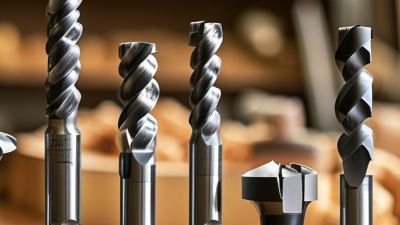
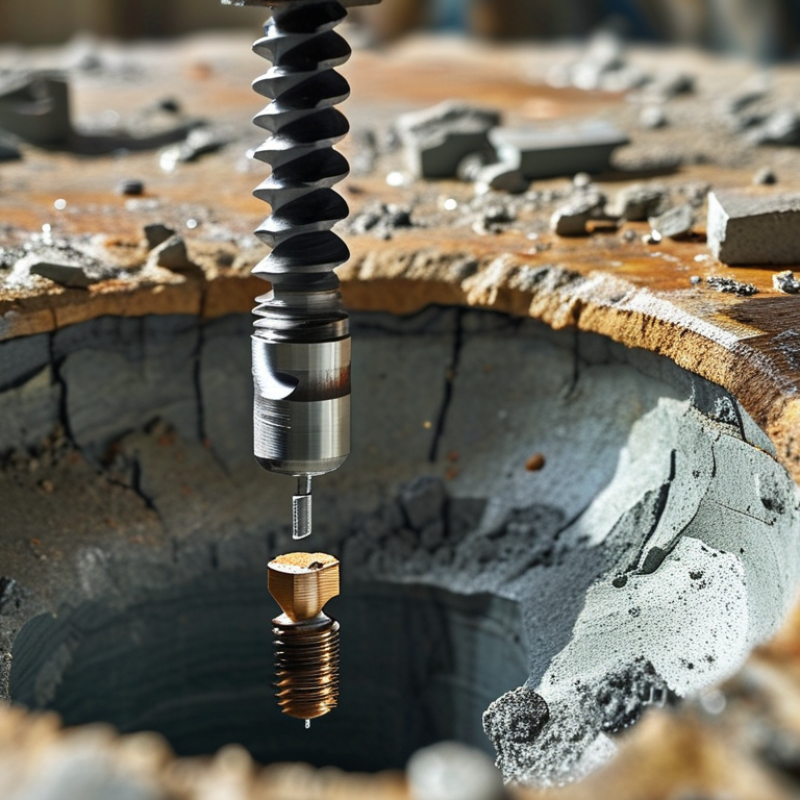
A reamer drill bit enlarges and finishes an existing hole. It does not usually create the first opening. Its structure includes a shank, body, cutting edges, flutes, and guiding margins. The shank connects to the machine or drill holder. The body carries several evenly spaced teeth around its circumference. Flutes create channels for chips and coolant. Margins guide the tool and help control the final diameter.
A pilot section enters the pre-drilled hole first. Then, the cutting edges remove a small, controlled amount of material. This action improves roundness, alignment, and surface finish. Unlike a standard twist drill, a reamer depends on the existing hole for guidance. It should not correct serious misalignment. That is a common workshop mistake.
ISO 2540 specifies terminology and dimensions for hand and machine reamers, supporting consistent tool selection. The U.S. National Institute of Standards and Technology has reported that dimensional variation remains a major source of manufacturing error, especially in precision assemblies. This explains why reamers often work at low feed rates with steady coolant flow. A 2024 industrial cutting-tools market assessment also identified automotive and aerospace production as major demand areas, where repeatable hole accuracy matters. However, market reports combine different tool categories, so their figures need careful reading. In practice, tool diameter, workpiece hardness, allowance, and machine rigidity determine the result. A reamer is precise, but not magical.
| Data Dimension | Description | Typical Data or Technical Detail |
|---|---|---|
| Definition | A reamer drill bit is a rotary cutting tool used to enlarge and accurately finish an existing hole. | It removes a small amount of material rather than creating a full-size hole from solid material. |
| Primary Function | To improve hole diameter accuracy, roundness, straightness, and surface finish. | Commonly used after drilling, boring, casting, or punching operations. |
| Basic Working Principle | The tool rotates while its cutting edges remove a thin, controlled layer from the inside wall of a pre-existing hole. | A reamer generally follows the existing hole instead of locating and drilling a new hole. |
| Pilot or Starting Section | The tapered entry section guides the reamer into the drilled hole and helps prevent sudden engagement. | The entry taper is normally followed by the main cutting or sizing section. |
| Cutting Edges | Multiple longitudinal cutting edges remove small chips from the hole wall. | Cutting edges may be straight or helical, depending on the workpiece, chip-control needs, and cutting method. |
| Flutes | Flutes provide space for chips and coolant while forming the lands that support the cutting edges. | Flutes can be straight for general work or spiral for improved chip evacuation and smoother cutting. |
| Lands and Margins | Lands support the cutting edges, while narrow margins guide the tool and help maintain the finished diameter. | The guiding surfaces should contact the hole lightly; excessive pressure can cause rubbing and heat. |
| Body | The body contains the flutes, lands, cutting edges, and sizing surfaces. | Its geometry is manufactured to a controlled diameter and may be solid or adjustable. |
| Shank | The shank connects the reamer to a hand tool, drill press, machining center, or other tool holder. | Common forms include straight shanks and tapered shanks. |
| End Geometry | The cutting end is designed to enter an existing hole and guide the tool progressively into the workpiece. | A reamer should not normally be forced into an undersized or misaligned hole. |
| Common Reamer Types | Reamers are classified according to operation, construction, and application. | Hand reamers, machine reamers, chucking reamers, adjustable reamers, shell reamers, and taper reamers. |
| Hand Reamer | Designed for manual operation and usually fitted with a square drive at the shank end. | A longer lead taper helps the operator start and align the tool by hand. |
| Machine Reamer | Designed for use in powered equipment such as a drill press or machining center. | It generally has a shorter lead and is intended for controlled axial feeding. |
| Fixed-Size Reamer | Manufactured for one nominal finished diameter. | It provides consistent sizing when the tool is correctly selected and maintained. |
| Adjustable Reamer | Uses adjustable blades or elements to cover a limited range of hole diameters. | Adjustment must be precise because excessive expansion can damage the hole or overload the cutting edges. |
| Typical Materials | Reamers are made from cutting-tool materials selected for wear resistance and dimensional stability. | High-speed steel is common; carbide is used for higher wear resistance, greater rigidity, or demanding production conditions. |
| Workpiece Materials | Reamers can finish holes in many metals and some non-metallic materials when the geometry and cutting conditions are suitable. | Examples include steel, stainless steel, cast iron, aluminum alloys, brass, bronze, and selected plastics. |
| Material Allowance | The drilled hole must be smaller than the final reamed diameter, but not excessively undersized. | The correct allowance depends on hole diameter, workpiece material, tool geometry, and the required finish. |
| Cutting Speed | Reaming is normally performed at a lower cutting speed than drilling. | A commonly used starting range is approximately 25%–50% of the drilling speed, then adjusted for tool and workpiece materials. |
| Feed Rate | Reamers generally use a relatively higher feed per revolution than drills of comparable diameter. | The exact feed must follow the tool geometry, diameter, workpiece material, and machine rigidity. |
| Coolant and Lubrication | Coolant or cutting fluid reduces friction, carries away heat, and helps evacuate chips. | The suitable fluid depends on the workpiece material and the machining process. |
| Achievable Results | A reamer can produce a more accurate and smoother hole than a standard drilling operation alone. | Actual results depend on machine alignment, tool condition, hole preparation, rigidity, and process control. |
| Typical Applications | Used where a hole must accept a close-fitting pin, shaft, bushing, bearing component, or precision fastener. | Common applications include machine parts, fixtures, hydraulic components, engine components, and general metalworking. |
| Advantages | Provides improved dimensional consistency and surface quality with a relatively small finishing allowance. | Can reduce the need for additional hole-finishing operations when used under suitable conditions. |
| Limitations | A reamer cannot correct major positional errors, severe taper, substantial misalignment, or an incorrectly located hole. | It requires a properly prepared hole, adequate rigidity, correct speed and feed, and careful alignment. |
| Basic Operating Sequence | Prepare the pilot hole, align the tool, apply suitable cutting fluid, feed steadily, and withdraw without unnecessary dwell. | The reamer should rotate in the cutting direction during entry and should not be forced or rocked inside the hole. |
| Maintenance and Safety | Inspect cutting edges for wear, keep the tool clean, secure the workpiece, and use appropriate eye protection. | Never hold the workpiece by hand during powered reaming, and remove chips with a brush or suitable tool rather than bare fingers. |