How to Choose a Punching Machine in 2026?
Choosing a Punching Machine in 2026 is not simply a matter of selecting the highest tonnage or newest control system. The right choice depends on the parts you make, the materials you process, and the production rate you can sustain. A machine for thin aluminum panels may be poorly suited to thicker stainless steel, even when both fit its advertised capacity. Small details matter. Check the material thickness, hole diameter, spacing, and expected daily volume against the manufacturer’s specifications. Ask how capacity changes across the working area; rated force alone does not tell the whole story.
This guide explains how to compare mechanical, hydraulic, and CNC punching machines, then assess tooling, accuracy, speed, automation, and operator access. Look closely at sample parts, changeover time, maintenance intervals, and local service support. These affect output after installation, not just the purchase price. Request a demonstration using your own material when possible, and confirm what accessories and training the quotation includes. A machine may look efficient in a showroom. Your shop floor is less tidy. Consider future product changes, but avoid paying for options that have no clear use. There is no universal best model, and even careful research can leave unanswered questions. The goal is a practical, well-supported choice that meets today’s requirements without making tomorrow’s production harder.
Understand Punching Machine Types and Their Applications
How to Choose a Punching Machine in 2026?
Understand Punching Machine Types and Their Applications
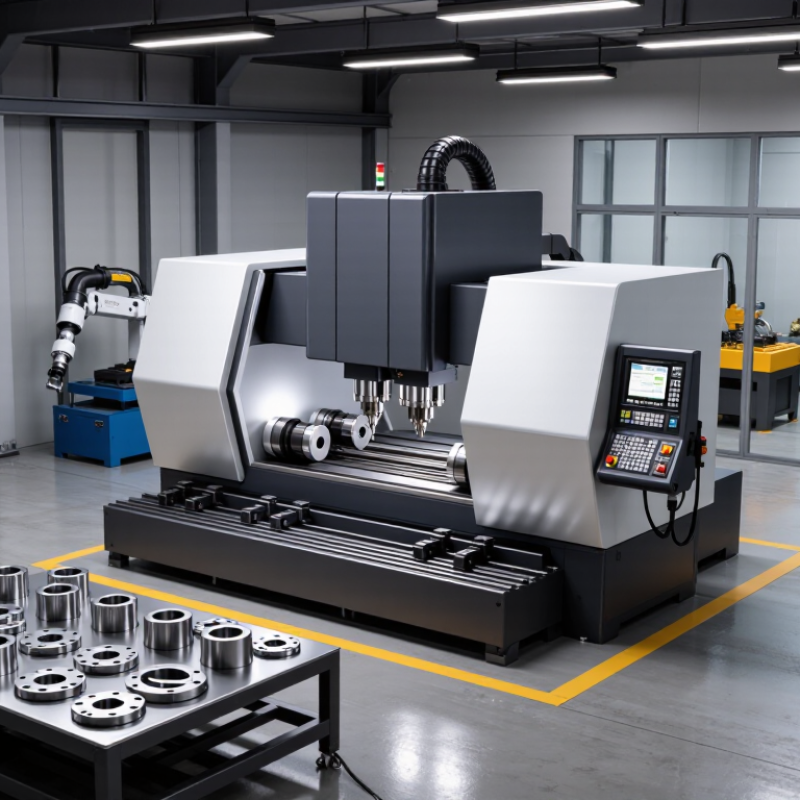
Punching machines suit different jobs. Mechanical presses deliver fast, repeatable strokes for high-volume parts. CNC turret machines index multiple tools, making them useful for sheet metal panels with varied holes, slots, and louvers. Hydraulic and servo-electric models offer controlled force and flexible stroke settings, which can help with changing materials or shorter runs. The fit matters. A machine that is fast on thin aluminum may struggle with thicker steel or tight tolerances.
Applications span electrical enclosures, appliance panels, vehicle components, and construction hardware. Grand View Research valued the global metal stamping market at USD 218.8 billion in 2023 and projected 4.7% annual growth from 2024 to 2030. That broader market figure is not a punch-machine forecast, but it signals sustained demand for formed metal parts. Before choosing, compare material type, thickness, part dimensions, tool-change time, and expected production volume. A beautifully fast cycle is less useful if setup takes half the shift.
Tips: Bring a real sample part and its drawing to supplier trials. Check burr height, hole accuracy, noise, and scrap rate—not just rated speed. Ask about tooling availability and maintenance intervals. Small details matter. I’d also leave room for uncertainty: actual output often falls below catalog figures when operators change jobs or sheets vary.
How to Choose a Punching Machine in 2026?
Typical punching-force ranges by machine type (tons-force). Use the range as an initial guide, then confirm capacity for your material, thickness, hole size, and tooling.
Ranges are representative examples, not universal specifications; actual capacities vary by machine design and configuration. Turret and CNC punching machines suit flexible sheet-metal work, while mechanical and hydraulic presses cover a wider range of production needs.
Define Your Material, Production Volume, and Accuracy Requirements
How to Choose a Punching Machine in 2026?
Define Your Material, Production Volume, and Accuracy Requirements
Start with the material, not the machine’s advertised speed. Record the alloy, thickness range, sheet size, and any protective coating. A 1 mm aluminum panel behaves differently from a 3 mm stainless-steel plate. Confirm the required punching force against the thickest material you expect to run. Then consider part geometry: tight hole spacing and narrow webs may need more careful tool and die planning.
Estimate daily output using real job data, including setup and tool changes. The 2024 workforce study by Deloitte and The Manufacturing Institute estimates that U.S. manufacturing may need 3.8 million workers by 2033, with 1.9 million jobs potentially unfilled. That makes realistic automation and staffing assumptions useful when comparing manual loading with automated handling. For accuracy, define tolerances on the drawing, then test representative parts. Check hole position, burr height, and repeatability across a full sheet—not just one clean sample. I’d still allow time for a production trial; paper specifications can miss awkward details.
Tips: Bring your toughest material and a typical nested layout to the machine trial. Test the actual stack. Record cycle time, setup time, and scrap. A quick test can reveal more than a polished brochure.
Assess Safety Features, Maintenance Needs, and Total Cost
Choosing a punching machine in 2026 means looking beyond its purchase price. Check that guards cover moving parts and that the emergency stop is easy to reach from the operator’s position. Ask how the machine behaves during a jam or power interruption. A clear operating manual and practical training matter, too. Small details matter.
Tips: Inspect guard hinges, controls, and access panels in person. Ask about inspection intervals, spare-part availability, and typical service response times. Get maintenance requirements in writing.
Estimate total cost over several years, not just the initial quote. Include tooling, electricity, routine servicing, operator training, and likely downtime. Compare machines using the same workload and material assumptions; otherwise, the figures can mislead. A lower-priced option may need more frequent adjustments, while a more capable machine may be unnecessary for occasional jobs. That trade-off is easy to miss. Before deciding, ask a qualified technician to review your intended materials, production volume, and workspace. Leave room in the budget for maintenance surprises. They happen.
Verify Supplier Support and Match the Machine to Your Workflow
A punching machine should fit the work you actually run, not an idealized production plan. List the materials, thickness range, hole patterns, and daily volume you expect. Then compare those needs with the machine’s rated capacity and tooling options. A sample test is useful. Bring your own material, if possible, and inspect the edges, hole alignment, and repeatability. A clean brochure cannot show every production issue.
Supplier support matters after delivery. Ask who handles installation, operator training, and maintenance questions. Get clear details about response times, spare-part availability, and service costs. Ask how common wear parts are identified and ordered. Keep records. A helpful answer should be specific, not just reassuring. If the supplier cannot explain setup steps or typical maintenance intervals, treat that as a gap to investigate.
Match the machine to your workflow, including the space around it. Check loading access, material handling, changeover time, and whether one operator can manage the process safely. If jobs vary often, setup flexibility may matter more than maximum speed. If production is steady, cycle time and uptime deserve closer attention. I would not assume the largest machine is the best choice; that assumption is easy to make, and sometimes expensive. Keep some capacity for future work, but avoid paying for features your team will rarely use.
