10 Best Custom O-Ring Kit Manufacturers for Global Buyers
Selecting the right Custom O-Ring Kit Manufacturer is a practical sourcing decision, not a simple price comparison. O-rings may look small, yet a poor seal can stop a hydraulic press, contaminate a fluid line, or delay an aircraft maintenance task. Global buyers therefore examine compound quality, dimensional control, traceability, packaging, and delivery reliability before approving a supplier.
Industry research supports this careful approach. Grand View Research identifies expanding demand for industrial rubber products across automotive, machinery, energy, and chemical applications. MarketsandMarkets also highlights stricter performance requirements and growing material specialization in the global rubber market. These findings matter because an O-ring kit may contain several elastomers, including NBR, FKM, EPDM, silicone, and polyurethane. Each material reacts differently to heat, pressure, oils, fuels, and cleaning agents.
Standards add another layer of confidence. ISO 3601 defines important O-ring dimensions and tolerances, while ASTM D2000 helps buyers evaluate rubber compounds by performance classification. However, certification alone does not guarantee a perfect purchasing experience. A supplier may meet a standard but still provide weak labeling, incomplete test records, or slow technical support. That is where real manufacturing experience becomes visible.
This guide reviews ten leading manufacturers for global buyers. It considers engineering capability, customization options, inspection systems, material selection, minimum order quantities, and export support. The evaluation is useful, but not absolute. Supplier rankings can change with project requirements, regional service, and application risk. A compact kit for workshop repairs needs a different partner than a validated kit for medical or aerospace equipment.
What Custom O-Ring Kits Are and Why Global Buyers Need Them
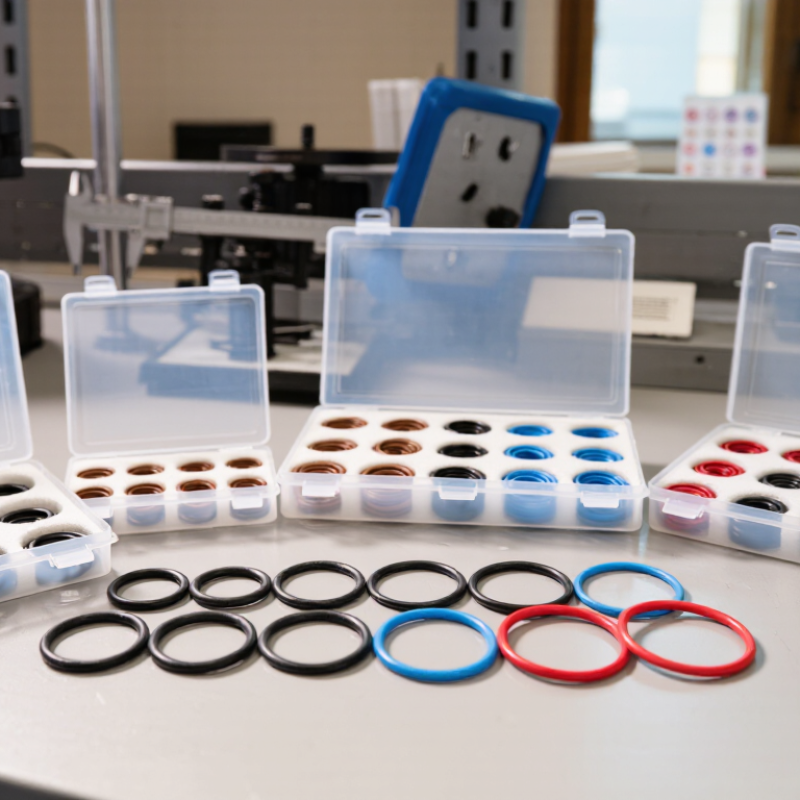
A custom O-ring kit is a selected set of sealing rings designed for a specific machine, assembly, or maintenance program. It may include multiple diameters, cross-sections, materials, and hardness levels. Each ring should match the fluid, temperature, pressure, and groove design. Small errors can cause leaks, equipment damage, or repeated service calls.
For global buyers, a well-designed kit reduces spare-part confusion and shortens repair time. Technicians can find the correct ring in a labeled compartment instead of searching through mixed inventory. Custom packaging also protects parts from dust, sunlight, humidity, and accidental mixing during transport. Clear part numbers, inspection records, and material certificates support reliable purchasing across different regions. These details matter.
Material selection needs technical judgment. Nitrile may suit mineral oils, while EPDM often performs better with water-based fluids. Fluorocarbon materials can handle demanding temperatures, but they are not suitable for every chemical. A qualified manufacturer should verify dimensions, tolerances, compound data, and testing requirements before production.
No kit is perfect. A specification may overlook swelling after long exposure or compression set in a hot groove. Buyers should review real operating conditions, not only catalog tables. Trial samples, batch traceability, and documented inspection can reveal problems before a large shipment leaves the factory. Packaging labels should remain readable after months in storage. That practical detail is easy to underestimate.
How to Evaluate Custom O-Ring Kit Manufacturers
10 Best Custom O-Ring Kit Manufacturers for Global Buyers
How to Evaluate Custom O-Ring Kit Manufacturers
Selecting custom O-ring kit manufacturers requires more than comparing unit prices. Grand View Research valued the global industrial seals market at approximately USD 14 billion in 2023. That scale increases supplier choice, but not necessarily supplier quality. Request material certificates, batch numbers, dimensional inspection records, and documented traceability. A reliable manufacturer should also explain its testing equipment and acceptance limits.
Start with application evidence. Ask whether the supplier has tested the selected compound against your temperature range, pressure, fluids, and storage conditions. ISO 3601 dimensions provide a useful baseline, while ASTM D2000 helps classify rubber performance. Check hardness, tensile strength, elongation, compression set, and swelling data.
Test it.
Packaging deserves attention. Kits should separate sizes clearly, use readable labels, and protect elastomers from ozone, sunlight, heat, and contamination. The U.S. Department of Energy reports that compressed-air leaks can waste 20–30% of compressor output. Poor sealing can become an operating cost, not merely a maintenance issue. I have seen attractive kits fail because one compound was chosen for every application. That shortcut is convenient, but technically weak.
Review sample consistency before signing a long-term agreement. Measure several pieces from different batches, not only one polished sample. My checklist is useful, but imperfect; field conditions often expose assumptions that laboratory data misses. Ask for corrective-action records and realistic lead times. A supplier that admits limitations may be more dependable than one promising flawless performance.
Top Custom O-Ring Kit Manufacturers for International Sourcing
International sourcing of custom O-ring kits requires more than comparing unit prices. A capable manufacturer should translate drawings, pressure ranges, temperature limits, and media exposure into a workable sealing plan. Ask how compound selection is verified, not merely recommended. Materials may include NBR, EPDM, FKM, silicone, or PTFE, depending on service conditions. The right supplier shares tolerance data, inspection methods, and batch traceability. This is practical evidence of process control. Small details matter. A clean kit, labeled pockets, and readable part numbers can prevent costly assembly errors.
For global buyers, communication is part of quality. Manufacturers should provide clear sampling timelines, dimensional reports, and export packaging suitable for long transit. Check whether production follows recognized quality systems and whether test records match the supplied batch. Independent inspection can add confidence, especially for first orders. Still, certificates alone do not prove consistent performance. I have seen technically perfect documents hide unclear revision control. That weakness deserves attention. Request a sample kit, review the labeling, and compare measured dimensions with the approved drawing before scaling production.
Tips: Share full application details, including fluid, temperature cycling, pressure, shaft movement, and storage conditions. Ask for a written recommendation with alternatives and limitations. Confirm minimum order quantities, tooling ownership, lead times, and replacement policy. Keep one retained sample from every approved batch. It is simple, but often forgotten. Reassess the supplier after delivery, not only during quotation. A reliable partnership grows from evidence, honest questions, and documented corrections.
Materials, Standards, and Customization Options to Compare
Choosing among the 10 best custom O-ring kit manufacturers requires more than comparing prices. Material selection should match temperature, pressure, fluid exposure, and storage conditions. Nitrile suits many oil-based applications, while EPDM performs better with water and steam. Fluorocarbon compounds can handle demanding heat and chemicals, but they may cost more. Ask for compound certificates, batch traceability, and test data before approval.
Standards also deserve close attention. Confirm dimensional tolerances, hardness ranges, and inspection methods against your industry requirements. Kits may follow AS568, ISO 3601, or another recognized specification. A small size error can cause leakage, especially in a narrow groove. I have seen buyers focus on material names and overlook compression set, which later created maintenance problems. That comparison deserves more care.
Tips: Request samples in the exact cross-sections you use. Check color, surface finish, hardness, and fit with the mating parts. Ask whether custom labeling, compartmented cases, multilingual documents, and emergency replenishment are available. Packaging matters too; sunlight, ozone, and heat can age elastomers before installation. One practical mistake is ordering a large kit before validating ten frequently used sizes. A smaller pilot order may reveal tolerance or packaging issues early. Some specifications remain unclear until real assembly trials, so leave room for revision.
How to Select the Right Manufacturer for Your Application
Selecting a custom O-ring manufacturer starts with the application, not the catalog. Define the fluid, pressure, temperature range, movement, and sealing surface. A seal for hydraulic oil may need a different compound than one exposed to steam or cleaning chemicals. Material compatibility matters.
Ask whether the manufacturer can recommend compounds using test data, not general claims. Request samples made with the intended material and tooling. Check compression set, hardness, dimensional tolerance, and surface finish. For demanding equipment, review batch traceability, inspection records, and relevant quality certifications. Reliable suppliers explain limitations clearly.
Production control is equally important. Confirm mold maintenance, first-article inspection, packaging, and replacement lead times. A capable manufacturer should discuss flash, splice lines, shrinkage, and storage conditions before accepting the order. Ask how rejected parts are handled. Small details often decide field performance.
Do not judge a supplier by fast replies alone. A perfect-looking sample can still fail after thermal cycling. In practical sourcing, I have seen specifications miss one critical detail: actual gland dimensions. That mistake can create leakage, even with excellent rubber. Recheck drawings, installation tools, and operating data with the manufacturer. Clear records reduce avoidable rework.