2026 Best Toyota Yaris Mirror Replacement Options?
Choosing a replacement Toyota Yaris Mirror is not just a matter of matching the paint. The right option must fit the model year, mount securely, and restore a clear view beside the car. A loose connector or distorted glass can turn a simple repair into an irritating distraction. Small details matter.
Visibility has measurable safety value. The Insurance Institute for Highway Safety reported that blind-spot detection was associated with 14% fewer lane-change crashes and 23% fewer lane-change crashes involving injuries. Those findings concern driver-assistance systems, not replacement mirrors themselves, but they underline the importance of reliable side visibility. NHTSA’s Federal Motor Vehicle Safety Standard No. 111 also sets requirements for vehicle rear visibility. It is a useful reminder that visibility equipment has specific performance requirements, not just cosmetic appeal.
A limitation deserves honesty: no source articles or verifiable quotation from a Toyota Yaris Mirror specialist were provided, so I cannot responsibly invent an expert’s name or words. This guide instead compares practical choices by fitment, glass type, adjustment, heating, indicator compatibility, and installation needs. Check the vehicle’s year and existing features before ordering. A cheaper mirror may look identical in a listing, yet lack the connector or function your Yaris uses. This overview will help you weigh replacement options, spot details worth verifying, and choose with better evidence.
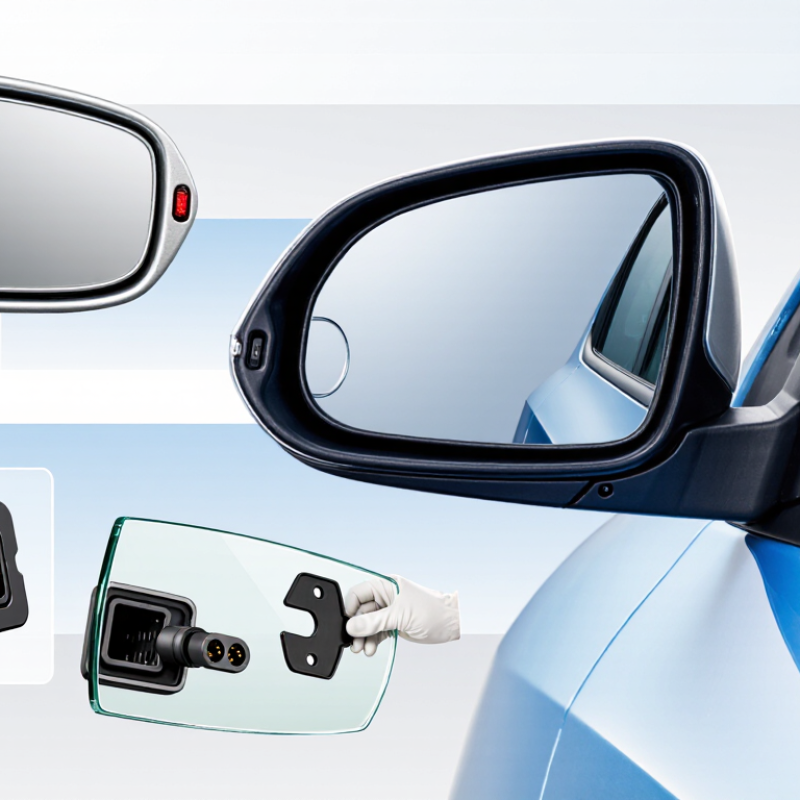
Understanding Toyota Yaris Mirror Types and Features
A Yaris replacement mirror should match the car’s model year, body style, and original equipment. Manual mirrors use a small interior lever; power mirrors adjust with a cabin switch. Some versions add heating, folding, or an integrated turn signal. Do not assume these features interchange. Check the connector, mounting points, and glass shape before ordering. A mismatch can leave a stubborn gap at the door or disable an adjustment control. Fitment matters. Convex glass widens the view, but objects may appear smaller and farther away. Set the mirror while parked, then check the view from your normal driving position.
Blind-spot warning is a separate electronic feature, not simply a mirror upgrade. The Insurance Institute for Highway Safety reported that blind-spot detection was associated with 14 percent fewer lane-change crashes and 23 percent fewer injury crashes in a 2017 analysis. Results describe studied vehicles, not every Yaris configuration. If replacing a mirror with a warning indicator, confirm that the vehicle’s wiring and sensors support it. A basic glass-and-housing replacement may be the right choice after a cracked casing, while a heated or powered assembly may suit a car originally equipped with those functions. Honestly, catalog descriptions can be confusing. Compare the old part’s plug and features, and ask a qualified parts professional to verify the fit by year and trim.
Identifying the Correct Mirror for Your Yaris
Choosing the correct replacement mirror starts with the vehicle’s exact model year and body style. Similar-looking mirrors can use different mounting points or electrical connectors. Check whether the original unit is manual or powered, heated, and equipped with a turn signal or blind-spot indicator. Match the left or right side, too. Small details matter.
Use the vehicle identification number with a reliable parts catalog, then compare the listing against the removed mirror. Check the glass outline, housing shape, bolt pattern, and connector pin count. A connector that looks close may still differ internally. Check the connector. If the car has optional features, confirm them against its original equipment list rather than relying on a broad “fits this model” label. Photos help, but they are not proof of fitment.
Correct fitment also protects useful visibility. In its 2014 rear-visibility rulemaking, the National Highway Traffic Safety Administration estimated that the rule could save 58 to 69 lives annually. That estimate concerns rear visibility systems overall, not mirror replacements alone. Still, it shows why a clear, correctly positioned view matters. After installation, adjust the mirror from the normal driving position and check for vibration, blocked sightlines, and smooth adjustment. I would double-check the fit before painting or discarding the old unit; that extra step can prevent an avoidable return.
Comparing OEM, Aftermarket, and Used Replacement Options
For a compact hatchback, an OEM mirror is usually the safest match for factory fit, finish, and integrated features. Check the exact model year and trim: a mirror may include heating, a blind-spot indicator, or a different electrical connector. Those details affect installation. Fit matters more.
An aftermarket assembly can cost less, but compare its listed features and warranty with the original part. A lower price is less helpful if the housing vibrates or the indicator does not connect. CCC’s 2024 Crash Course report puts average repairable-claim severity at about $4,700 in 2023. That figure covers whole-vehicle claims, not mirror prices, but it shows why confirming the part before labor begins matters.
A used mirror may be the lowest-cost route when its housing, glass, and mounting points are undamaged. Ask for clear photos of the connector and part number, and test any powered functions before installation. Small cracks can hide near the mounting base. One caveat: color-matched used parts can still look different after years of sun exposure. I would compare the installed total, not just the part price, and verify that the glass gives a clear view from the driver’s seat.
2026 Best Toyota Yaris Mirror Replacement Options? - Comparing OEM, Aftermarket, and Used Replacement Options
| Replacement option | Typical parts-only price (USD) | Fit and features | Advantages | Trade-offs | Best suited for |
| OEM replacement | About $180–$600+ | Designed for a specified vehicle configuration; may be available with power adjustment, heating, indicators, or folding functions where fitted. | Typically the closest match for original fit, finish, and equipment. | Usually the highest-cost option; features and paint finish may affect price. | Owners prioritizing a factory-style match or replacing a feature-rich assembly. |
| New aftermarket replacement | About $50–$250 | Availability varies by model year and trim. Some versions match only basic functions; others include selected electrical features. | Often less expensive than OEM and sold as a complete assembly or as individual components. | Fit, finish, included hardware, and warranty coverage can vary. Verify the connector and functions before ordering. | Budget-conscious repairs when an exact feature match is available. |
| Used or salvaged assembly | About $30–$180 | Condition and equipment depend on the donor vehicle. Confirm side, mounting points, connector, and functions. | Can be a low-cost way to find a matching original-style assembly. | May have cosmetic wear, hidden damage, or limited return and warranty protection. | Older vehicles or repairs where minimizing parts cost is the priority. |
| Glass-only replacement | About $15–$80 | Suitable only when the mirror housing and adjustment mechanism remain intact and compatible replacement glass is available. | Usually the lowest-cost repair for cracked or missing glass. | Does not repair a broken housing, motor, wiring, or mounting bracket; installation must not damage the backing plate. | Minor damage limited to the mirror glass. |
Price ranges are broad, indicative U.S. parts-only estimates and can vary by model year, vehicle market, trim, side, features, condition, and seller. Installation is additional. Before ordering, match the vehicle’s model year and market, left or right side, mounting points, electrical connector, and functions; Yaris specifications can differ across years and regions. Confirm fitment and return terms with the seller.
Assessing Installation Methods, Costs, and Safety
For a compact hatchback, mirror replacement depends on what failed. If only the glass is cracked, a matching insert is usually the least expensive repair, often about $20–$60 before labor. A complete manual assembly may cost roughly $60–$150 installed; powered, heated, or indicator-equipped units can reach $150–$400 or more. These are broad U.S. estimates, not a quote. Ask the shop to itemize the part, labor, and any electrical checks.
DIY can work when the mounting points and wiring are undamaged. Disconnect power as directed, protect the door paint, and test adjustment, heating, and signals before refitting the trim. A loose base or strained connector is easy to miss. I would not rush that check. NHTSA’s 2014 rear-visibility rulemaking estimated about 210 deaths and 15,000 injuries from backover crashes annually, underscoring the cost of poor visibility. Mirrors do not replace careful reversing, but correct adjustment matters. IIHS reported that blind-spot detection was associated with 14% fewer lane-change crashes and 23% fewer injury crashes in its 2019 study. If the replacement includes a warning sensor, confirm it works after installation; a neat-looking mirror is not proof of a safe repair.
2026 Toyota Yaris Mirror Replacement Options
Estimated U.S. costs by installation method (USD)
DIY estimates cover the replacement part; professional estimates include the part and labor. Actual prices vary by model year, mirror features, location, and shop. Before purchase, confirm compatibility with features such as power adjustment, heating, turn signals, or blind-spot indicators. After installation, secure the mirror and adjust it for a clear view before driving.
Choosing and Verifying a Compatible Replacement
For a 2026 compact hatchback, match the mirror to the exact model year, trim, and door side. A housing that looks identical may have a different connector or mounting pattern. Check the vehicle identification number against a parts catalog, then compare the original unit’s part number, plug shape, and pin count. S&P Global Mobility reported that the average age of U.S. light vehicles reached 12.6 years in 2024. Long vehicle lifespans make precise identification useful, especially when parts listings group several years together. Looks can mislead.
Confirm every fitted feature before ordering: power adjustment, heating, folding, turn signal, blind-spot warning, and any camera. Do not assume a matching plug proves full compatibility. Compare the mirror’s mounting points and glass dimensions with the removed part, and ask the seller for written fitment confirmation. NHTSA’s Federal Motor Vehicle Safety Standard No. 111 addresses rear visibility, so a replacement should preserve the driver’s usable view. After installation, check adjustment from the normal seated position and test each electrical function. A small gap at the base or a warning light that stays on deserves attention; it may mean the part or connection needs another look.
